Combined Plastic Manufacturing Projects
Different requirements for geometry, function or production quantity are met within a single assembly by selecting the most suitable plastic manufacturing process for each component. The apra-group delivers these integrated manufacturing solutions, including surface finishing and assembly, entirely in-house – providing a fully functional solution from a single source.
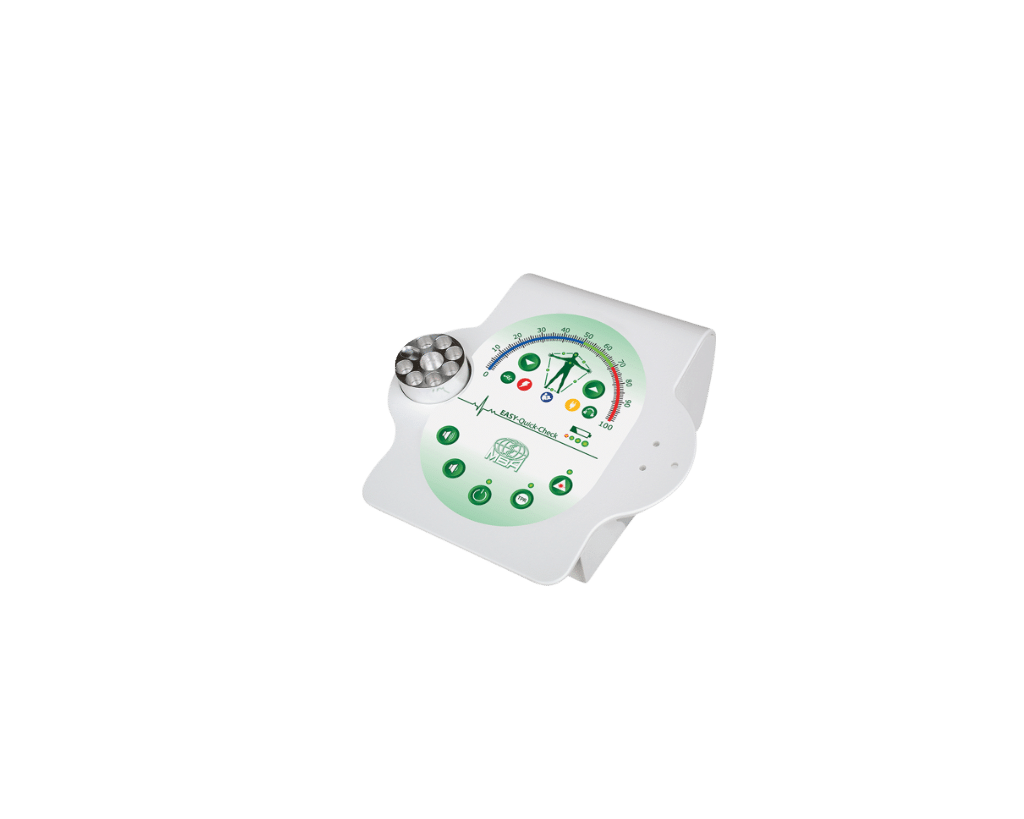
Combining Plastic Manufacturing Processes for Enclosures and Components
The right manufacturing process for each individual component, brought together in a fully functional solution.
The apra-group designs and manufactures custom plastic enclosures and components by combining different manufacturing processes into a single integrated solution. The most suitable process is selected for each component based on its geometry, function, production quantity and cost-effectiveness.

What Does Combining Different Plastic Manufacturing Processes Involve?
In a combined plastic manufacturing project, an enclosure or assembly is divided into individual components according to their functions. For example, a thermoformed enclosure shell, a precision-milled and bent base structure and 3D-printed functional components can each be manufactured using the most suitable process before being assembled into a complete solution. A planned transition from prototype manufacturing to series production can also form part of the concept.
When Does Combining Manufacturing Processes Make Sense?
Combining processes is particularly beneficial when individual components within an enclosure have significantly different requirements, or when production quantities, variants and the likelihood of design changes vary across the assembly.
| Area | Your Challenge | Our Technical Solution |
|---|---|---|
|
Component Geometry
|

|

|
|
Production Quantity and Project Phase
|
|
|
|
Variant Management
|
|
|
|
Material and Function
|
|
|
|
Surface Finish and Visible Components
|
|
|
|
Fit and Tolerances
|
|
|
|
Joining and Protection
|
|
|
|
Assembly and Project Coordination
|
|
|
Combinable Plastic Manufacturing Processes
The apra-group’s manufacturing capabilities include milling and bending, thermoforming, 3D printing, vacuum casting and injection moulding. For example, milled and bent or thermoformed components can form the main enclosure structure, while 3D printing, vacuum casting or injection moulding can be used for complex functional components, inserts or variants.


Typical Enclosures, Components and Applications
Typical applications include multi-part electronics and equipment enclosures, control and console enclosures, wall-mounted enclosures, enclosure shells, hoods, covers and cladding. Other components include front panels, bezels, brackets, adapters, handles, and air and cable guides.
Applications can be found in sectors such as medical technology, industrial electronics, measurement and testing technology, equipment manufacturing, and mechanical and plant engineering.
Discuss Your Project Requirements
Would you like to find out whether combining several plastic manufacturing processes makes sense for your enclosure or assembly? Together, we will discuss the component structure, functions, materials, production quantities, interfaces and required scope of supply.

Product Management Milling-and-bending technology
When Is a Single Manufacturing Process the Better Choice?
If a single manufacturing process can meet the requirements for geometry, function, surface finish and production quantity without significant compromises, using one process may be simpler and more cost-effective. The apra Group therefore assesses each project individually and recommends combining processes only where the benefits outweigh the additional effort involved in managing interfaces, assembly and testing.