Injection Moulding and Toolmaking
Plastic injection moulding enables the production of custom enclosures and technical functional components with complex geometries and consistent series production quality. Project-specific tooling concepts, in-house toolmaking and a wide range of additional processing options are tailored to the component, production quantity and intended application.
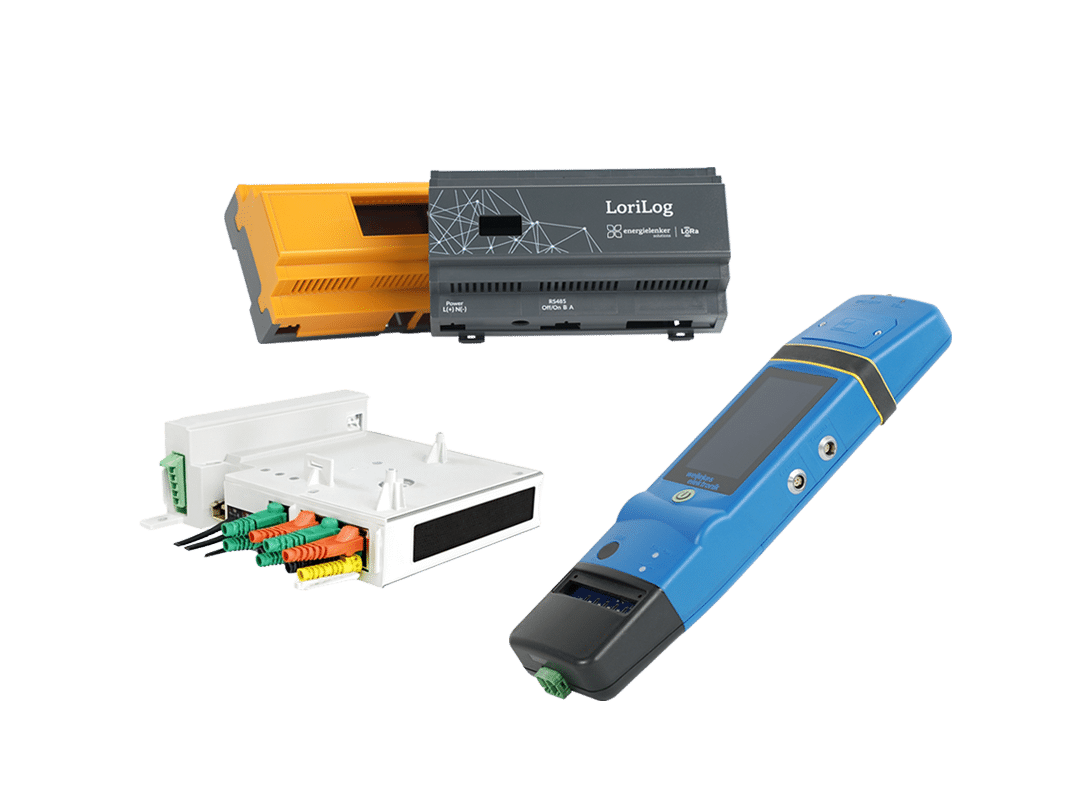
Plastic Injection Moulding and Toolmaking for Custom Enclosures and Components
From tooling concepts to series production: custom plastic solutions for recurring production quantities.
The apra-group develops and manufactures custom plastic enclosures and technical plastic components using injection moulding. Within the Radaplast business division, component design, toolmaking, series production, surface finishing and optional assembly are combined to deliver a fully coordinated solution.
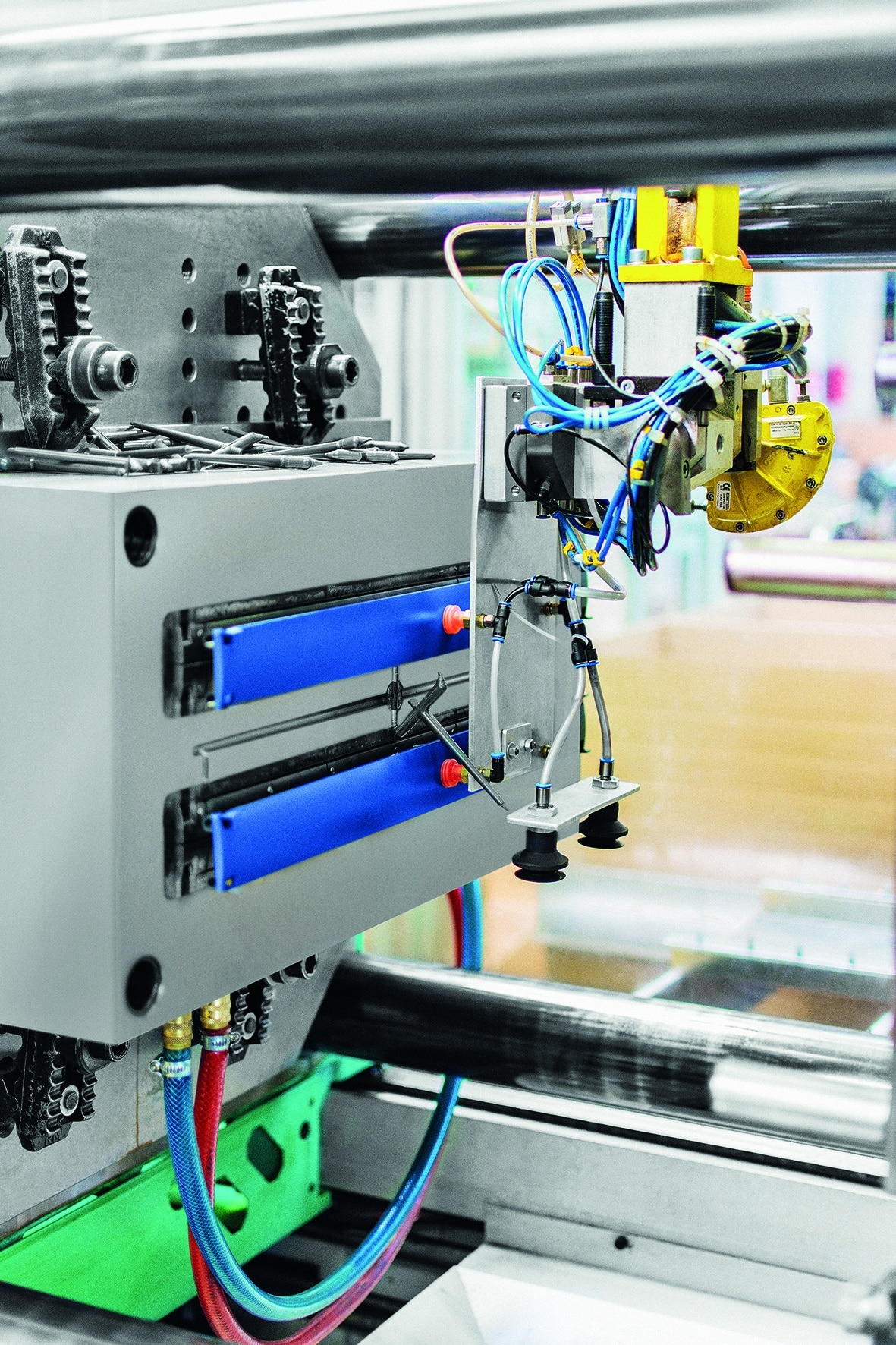
What Is Plastic Injection Moulding?
In plastic injection moulding, plastic granules are melted and injected under pressure into a mould. Once cooled, the component is removed from the mould. This process produces consistent moulded parts with custom contours, defined surface finishes and integrated features such as ribs, bosses, guides and fastening elements.
The mould determines key characteristics of the component. The direction of demoulding, wall thicknesses, radii, injection points, parting lines and potential undercuts are therefore considered during the design phase. If components need to be modified at a later stage, the technical feasibility of adapting the mould is assessed.
Custom Solutions for Technical and Economic Requirements
Whether injection moulding is suitable depends on the geometry, material, stage of design development, production quantity, product variants and planned product lifecycle. Depending on the project, the process may be viable for quantities starting at approximately 250 units. However, the decisive factor is an overall assessment of tooling costs, unit price, recurring production volumes and additional processing requirements.
| Area | Our Customers' Challenges | Our Solution |
|---|---|---|
|
Geometry and Functionality
|

|

|
|
Production Quantities and Product Lifecycle
|
|
|
|
Tooling Concept
|
|
|
|
Material and Application
|
|
|
|
Production Readiness
|
|
|
|
Surface Finish and Protection
|
|
|
|
Assembly and Integration
|
|
|
Project-Specific Tooling Concepts
The apra-group’s in-house toolmaking facilities produce aluminium or hardened steel moulds, single- or multi-cavity moulds, and solutions incorporating hot runner systems, slides or collapsible cores. Where technically suitable, existing tooling systems and standard mould bases can reduce the need for custom tooling.
Depending on the project, moulds can also be manufactured by qualified international partners. Existing injection moulds can also be taken over, for example when changing suppliers, following an assessment of their condition, design and compatibility with the available machinery.
Typical Enclosures, Components and Applications
Injection moulding is used to manufacture a wide range of products, including electronic and equipment enclosures, enclosure shells, covers, operator panels, front panels, brackets, handles, hinges and technical functional components.
Typical applications include equipment manufacturing, industrial electronics, measurement and automation technology, and mechanical and plant engineering.
Discuss Your Project Requirements
Would you like to find out whether injection moulding is suitable for your component and planned production quantity? Together, we can review the geometry, material, tooling concept, production volume and any additional processing requirements.

Product Management Plastic Injection Molding

Product Management Plastic Injection Molding
When Injection Moulding Is Not the Optimal Solution
For early prototypes, frequent design changes or small production quantities, 3D printing or vacuum casting may be more suitable. Milling and bending technology can be considered for large enclosures made from sheet material, while thermoforming may be appropriate for open, thin-walled moulded parts.
If a standard enclosure meets the basic dimensional requirements, custom machining of that enclosure may also be more cost-effective.
The apra-group therefore assesses each component individually and can combine injection moulding with other plastic manufacturing processes and its own metal fabrication capabilities, or replace it with a more suitable process.