Combined Sheet Metal and Plastic Projects
By combining materials strategically, different requirements for stability, functionality and design can be met within a single enclosure or assembly using suitable sheet metal and plastic components. The apra-group brings together design engineering, manufacturing, surface finishing and assembly in-house to deliver a fully functional, integrated solution from a single source.
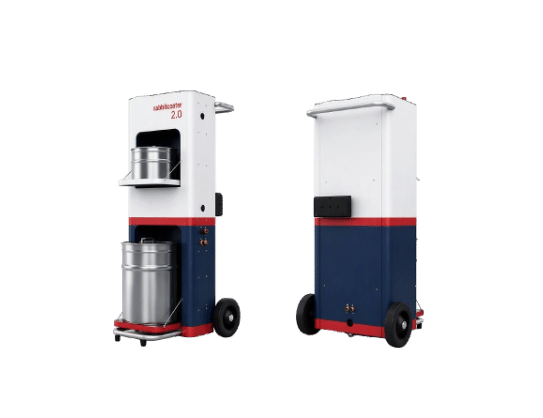
Cross-Material and Cross-Process Solutions for Enclosures and Assemblies
The apra-group manufactures custom enclosures and assemblies that combine sheet metal and plastic components to create a technically coordinated, integrated solution.

What Are Combined Sheet Metal and Plastic Projects?
In combined sheet metal and plastic projects, a structure made from sheet steel, stainless steel or aluminium provides the mechanical foundation. Custom plastic components complement this structure wherever electrical insulation, design flexibility, low weight, ergonomic operation or a distinctive product appearance is required.
Solutions range from enclosures incorporating individual plastic components to assembled units with front panels, covers, controls, internal fittings and electronic components.
Sheet metal and plastic components are not designed independently of one another. Instead, they are developed together, taking into account functionality, interfaces, tolerances, surface finishes and assembly requirements.
When Does Combining Sheet Metal and Plastic Make Sense?
Combining materials is particularly beneficial when a design made entirely from sheet metal or plastic cannot meet all the requirements of a project equally well. The key consideration is the function each material performs within the overall solution.
| Area | Your Challenge | Our Technical Solution |
|---|---|---|
|
Mechanical Construction
|

|

|
|
Geometry & Design
|
|
|
|
Installation Space & Integration
|
|
|
|
EMC & Thermal Management
|
|
|
|
Electrical Insulation & Protection Against Contact
|
|
|
|
Interfaces & Tolerances
|
|
|
|
Surface Finishing & Operation
|
|
|
|
Product Variants & Production Quantities
|
|
|
One Group of Companies, One Point of Contact
All sheet metal and plastic components required for the combined project are manufactured within the apra Group. No external manufacturing suppliers are needed.
For the customer, the entire project is managed through a single point of contact, who coordinates all components, manufacturing processes, interfaces and approvals.
Sheet Metal and Plastic Manufacturing Processes Combined in a Single Solution
For metal components, the apra Group offers a range of processes, including sheet metal fabrication, bending, welding, machining and surface finishing. Depending on the requirements, sheet steel, stainless steel or aluminium can be used.
Plastic components can be manufactured by apra-plast using processes such as milling and bending, injection moulding, vacuum casting, 3D printing or thermoforming.
This allows the most suitable plastic manufacturing process to be selected according to the geometry, required surface finish, project phase and production quantity, while ensuring that the functional requirements of the sheet metal structure remain a key consideration.
Discuss Your Project Requirements
Are you planning an enclosure or assembly in which sheet metal and plastic need to perform different functions? Together, we can assess material selection, manufacturing processes, interfaces and the scope of component integration to develop a technically sound solution concept.

Product- / Project Management
Typical Applications
Combined sheet metal and plastic solutions are particularly suitable for devices and systems where mechanical stability needs to be combined with functional or aesthetic plastic elements.
Typical applications include:
- Electronic and equipment enclosures with plastic front panels or covers
Operator, display and terminal enclosures
Measuring, testing and analytical equipment
Control and automation assemblies
Enclosures with metal mounting surfaces, shielding structures or heat transfer elements
Pre-assembled functional units incorporating mechanical and electronic components
Design Engineering, Manufacturing and Assembly
The cross-material approach covers everything from design engineering and design for manufacturability through to the production, surface finishing and assembly of individual components.
Particular attention is paid to transitions between materials, mounting points, tolerance chains, accessibility and the intended assembly sequence.