Folding and Bending
Flat sheet metal parts are transformed into enclosure bodies, doors and covers through precisely executed bends. apra selects the appropriate bending process based on the geometry, tool access and subsequent assembly requirements of your project.
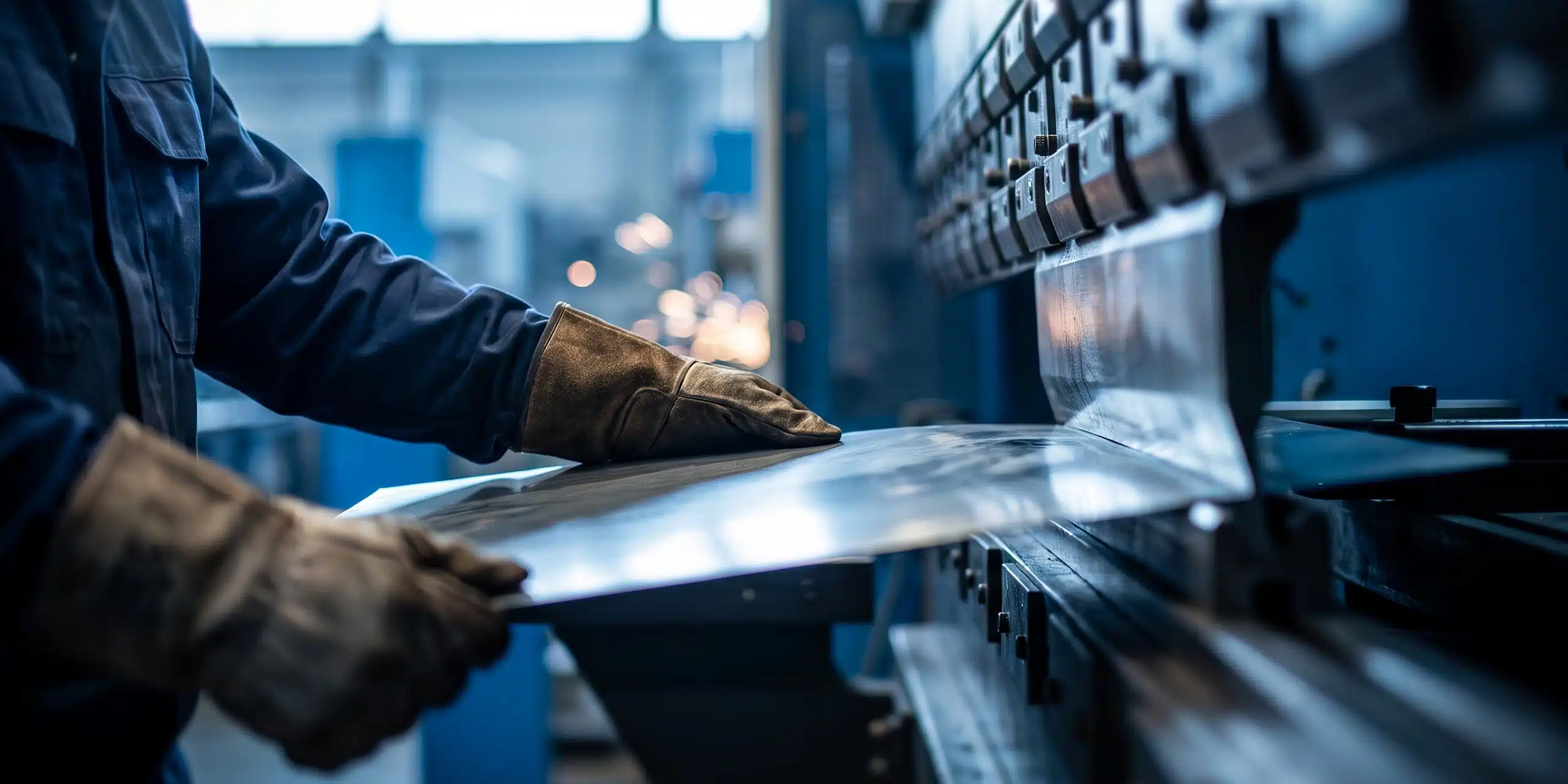
Using various press brake and bending processes, the apra Group forms flat sheet metal parts into enclosure bodies, doors, covers and brackets. The technically suitable and economically viable process for each component is determined based on its geometry, material, production volume and subsequent manufacturing steps.
The Right Process for Every Component Geometry
A bend must do more than achieve the desired angle. It must also be compatible with adjacent flanges, cut-outs, fasteners and subsequent assembly steps. To meet these requirements, apra offers manual and automated press brake bending, folding and the bending of small tabs directly during the punching and laser cutting process.
| Component requirement | What apra considers during manufacturing |
|---|---|
|
Short flanges or Z-bends
|
Minimum dimensions, tool accessibility and bending sequence
|
|
Enclosure bodies with multiple sides or folded edges
|
Achievable box heights, flange lengths and accessibility for the final bends
|
|
Larger doors, covers or enclosure parts
|
Component dimensions, material thickness and suitability for swing bending
|
|
Repeated bent components
|
Suitability for automated processing, for example in terms of gripping surfaces and bending sequence
|
|
Holes, embossments or fasteners close to a bend line
|
Potential distortion and collisions with the bending tool
|
|
Visible component Surfaces
|
Bending direction and tooling options with regard to possible tool marks
|
|
Small tabs in a punched or laser-cut blank
|
Possibility of integrating the bending operation directly into the punching and laser cutting process
|
From Project Requirements to a Manufacturing-Ready Solution
Based on your requirements, apra develops a suitable manufacturing process and prepares a corresponding quotation. Once the order has been placed, our in-house design team takes care of the manufacturing-oriented implementation and coordinates the technical details with you.

Product- / Project Management
Planning the Bending Sequence and Subsequent Processing Together
Cut-outs, extrusions and fasteners must be positioned at sufficient distances from the bend line and in the correct locations. Otherwise, they may become distorted during forming or obstruct access for the tooling. Welding joints, coating and assembly requirements also influence how a component is designed and manufactured.
apra therefore considers press brake bending and forming as part of the entire manufacturing process. Through subsequent processing, surface treatment and assembly, punched or laser-cut blanks are transformed into finished enclosure components, cabinets and metal assemblies.
What We Need for Manufacturing
Technical drawings, 3D models or samples are helpful when assessing your project. You can provide these documents or discuss your requirements with apra first. Important details include the intended function and geometry, material, sheet thickness, production volume, visible surfaces and planned subsequent processes. Based on this information, apra assesses which bending process is technically suitable and economically viable for your specific project.